A carpenter's best marketing has always been the work itself. A fitted kitchen, a staircase, a run of built-in shelving that took real skill and patience. The trouble is that almost all of it disappears the moment it is finished. It goes into a client's home, the door closes, and nobody else ever sees the thing you spent two weeks getting right.
Social media is where that portfolio lives now. Your next client is already scrolling, and they are looking for one thing: proof that you can build the thing they have in their head. Photographs of your finished work are that proof, and you are generating it constantly and then letting it vanish.
You do not need to become a content creator. You need a simple habit of capturing the work and a way to get it in front of the right people. This guide covers both.
Why the work sells itself, if people see it
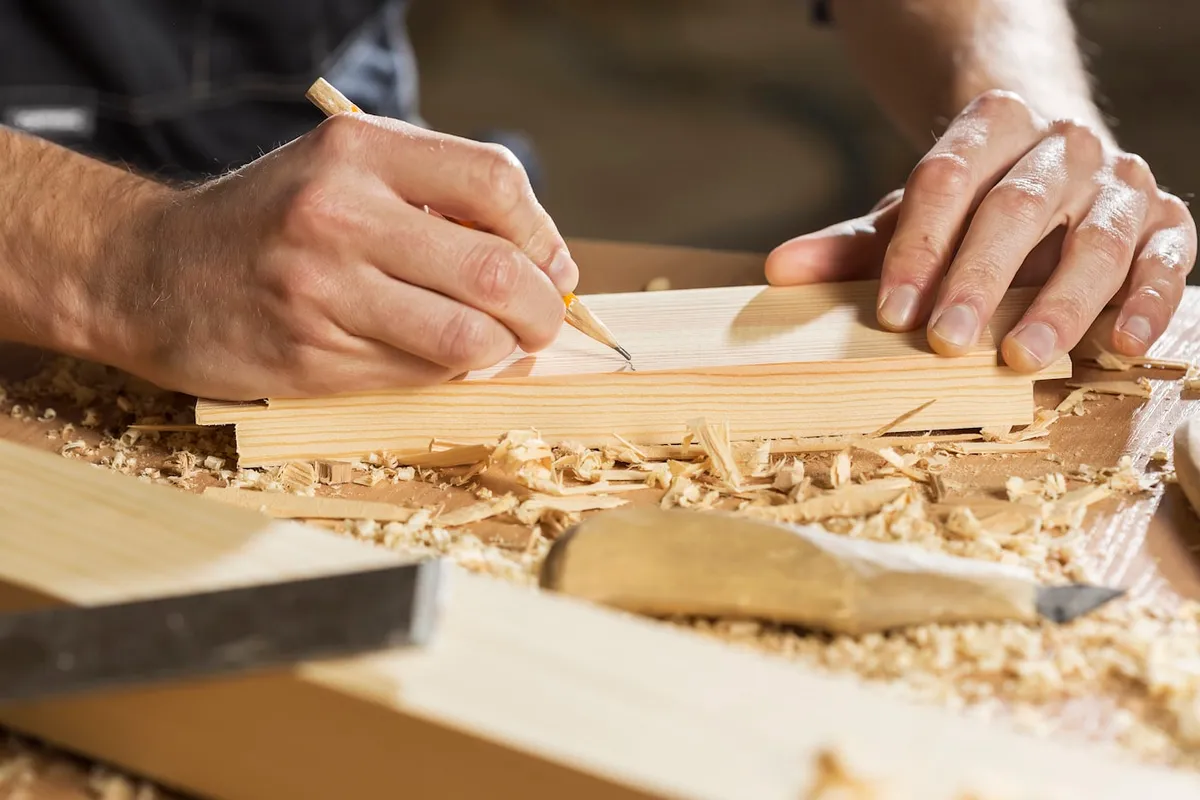
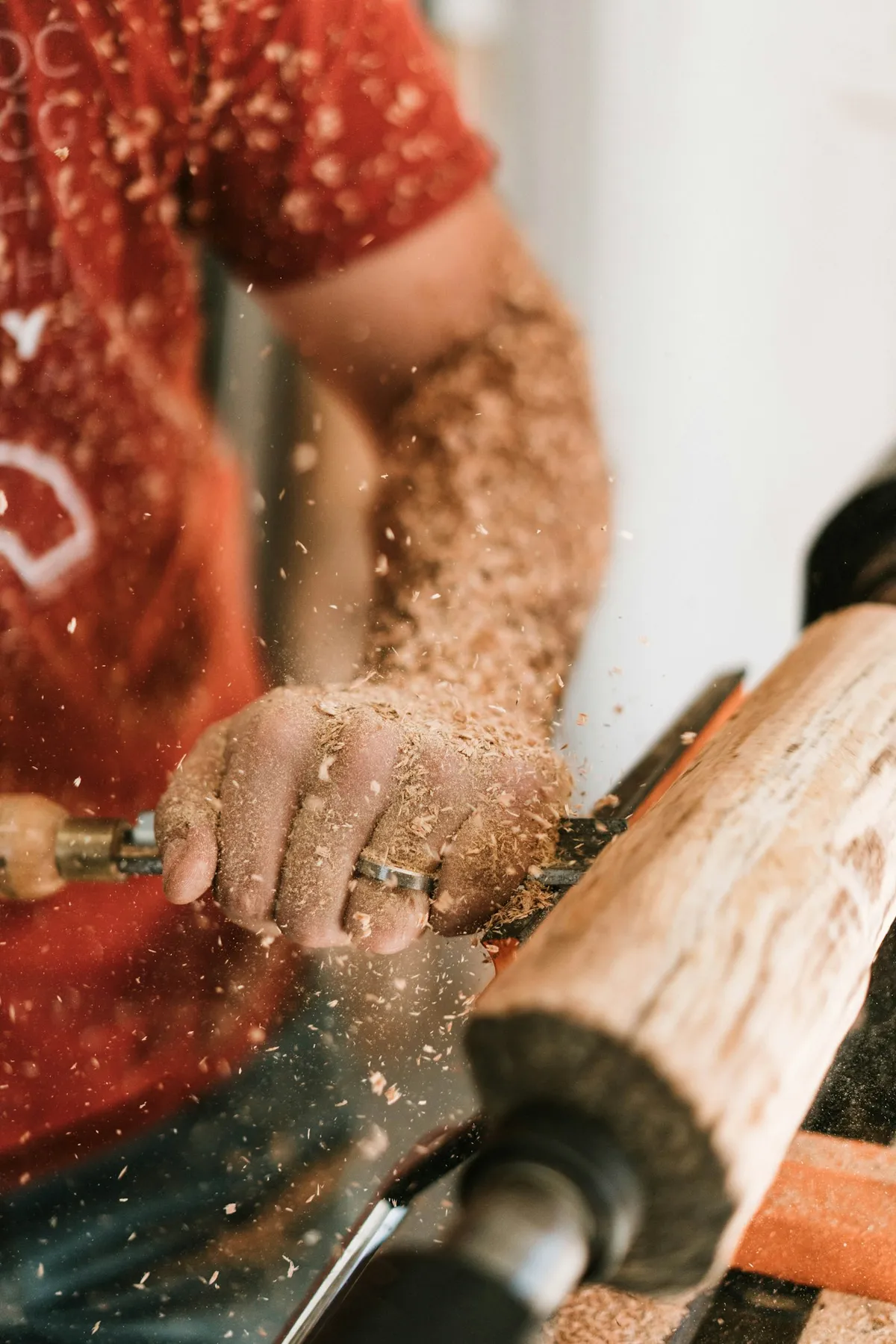
Carpentry is visual and tactile in a way that translates perfectly to a feed. Grain, joinery, the fit of a drawer, the moment a rough board becomes something built to last. People respond to craft instinctively, even when they could not build it themselves. Your job is not to sell. It is simply to show.
And showing consistently does something quieter and more powerful. It builds a body of evidence. A prospective client who scrolls back through a year of finished kitchens and clean details does not need convincing. They have already watched you prove it, project after project.
What to post
These are the angles that work for makers and trades, the same ones Native draws on when it builds content for a workshop:
- The finished piece, in place. The kitchen in the kitchen, the staircase in the hall. Context makes the craft legible.
- Detail shots. The joint, the grain, the way two pieces meet. Close-ups are where the skill actually shows.
- Before and after. The tired old room and the transformation. This is the single most shared kind of post in the trades.
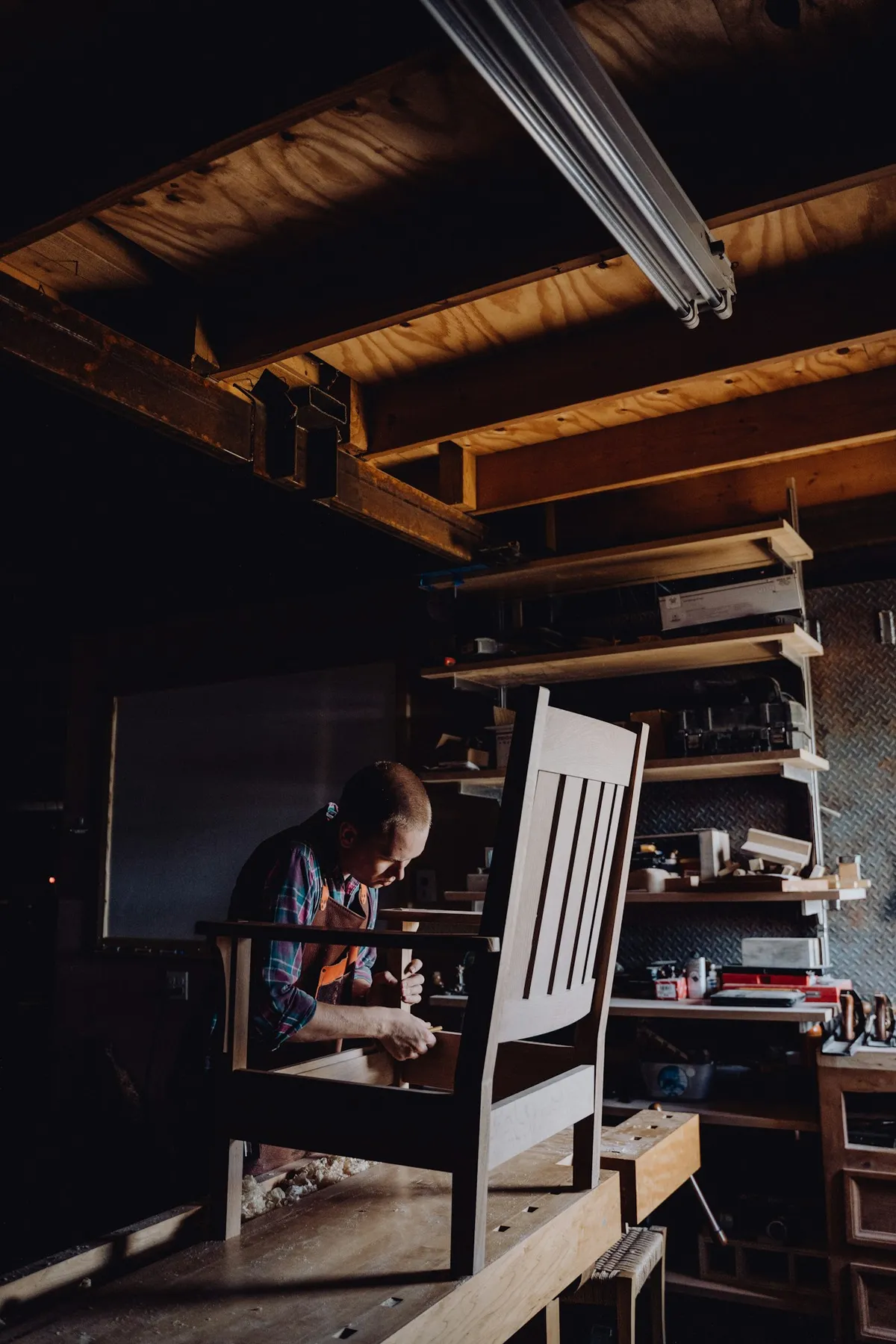
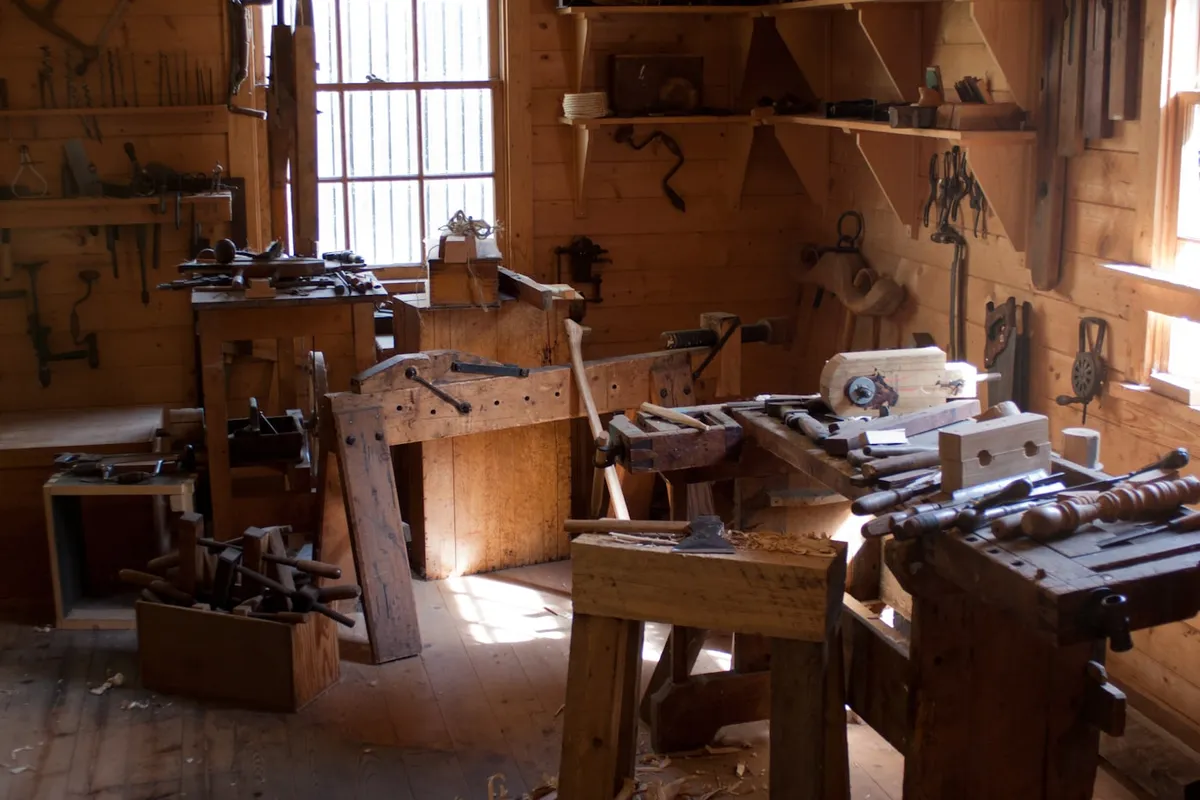
- Work in progress. Rough timber, a piece half-built, shavings on the bench. Process shows the care behind the price.
- The happy client. A short line about what they wanted and the finished result. Real jobs for real people build trust.
- A genuine tip. How to choose timber, what a good kitchen install really involves. Useful content positions you as the expert.
Process is more powerful than the finished shot alone
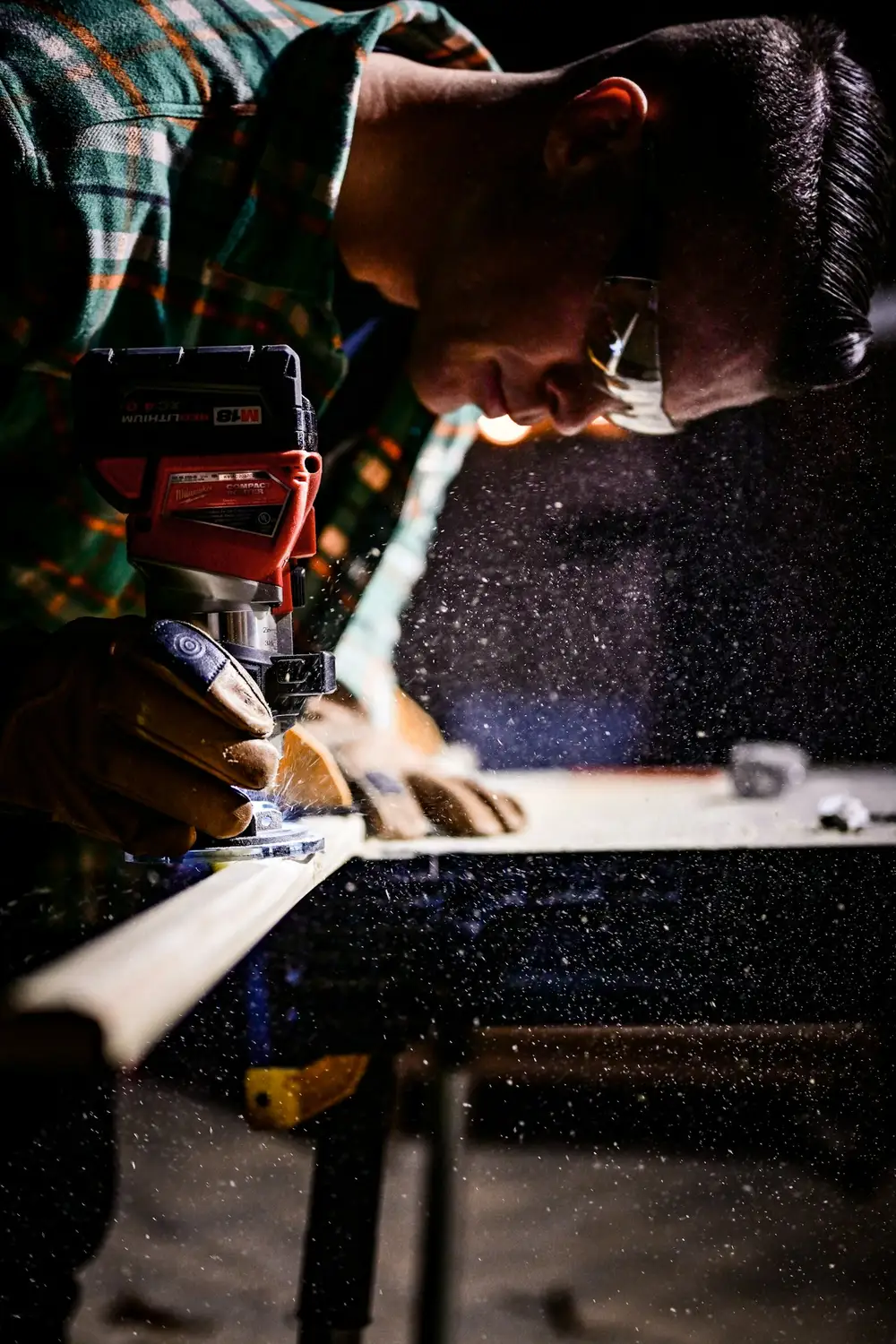
A single photo of a finished kitchen is good. A short series from rough board to installed and gleaming is far better, because it tells a story a single image cannot, and it reveals the hours and the care that justify what you charge. Snap a quick photo at three or four stages of a job and you have a week of content from one project.
A rhythm that fits a working week
Two posts a week keeps your work in front of people without becoming a chore. The trick is to build the habit of taking photos as you go, not as an afterthought. A few shots on your phone at the start, middle, and end of a job, and you never run short of material. The posting itself can be batched: an evening once a month, or handed off entirely.
The mistake that keeps good carpenters quiet
Finishing beautiful work and never photographing it. Every un-captured job is a portfolio piece and a potential referral thrown away. The second mistake is only posting when work dries up, which reads as slightly desperate and misses the point: the posting is what stops the work drying up in the first place.
How Native does it for you
Send Native the photos from a job and it writes the post, matches your voice, and prepares it for the connected channels. Review is the default. When you enable autopilot, Native publishes on schedule while keeping the captions grounded in your trade, services, and area.
You keep building. Native makes sure the work you already finished keeps quietly bringing in the next job, long after the door has closed on it.