Nobody follows a plumber for entertainment. They follow one for a single reason: so that when the water heater fails at six on a Sunday morning, they already know who to call. In the trades, being the familiar name is worth more than any advert, because the decision is made under stress and people reach for whoever they recognise and trust.
That recognition is not built in the moment of the emergency. It is built slowly, over months, by showing up in a feed with work that looks careful and advice that sounds like it comes from someone who knows what they are doing. By the time the pipe bursts, the choice has effectively already been made.
The problem is that consistent posting is exactly the thing that slides when you are on call-outs all day. So this guide is built around a simple idea: content that takes almost no time, works even when you are not on camera, and quietly compounds into the kind of local reputation that keeps the diary full.
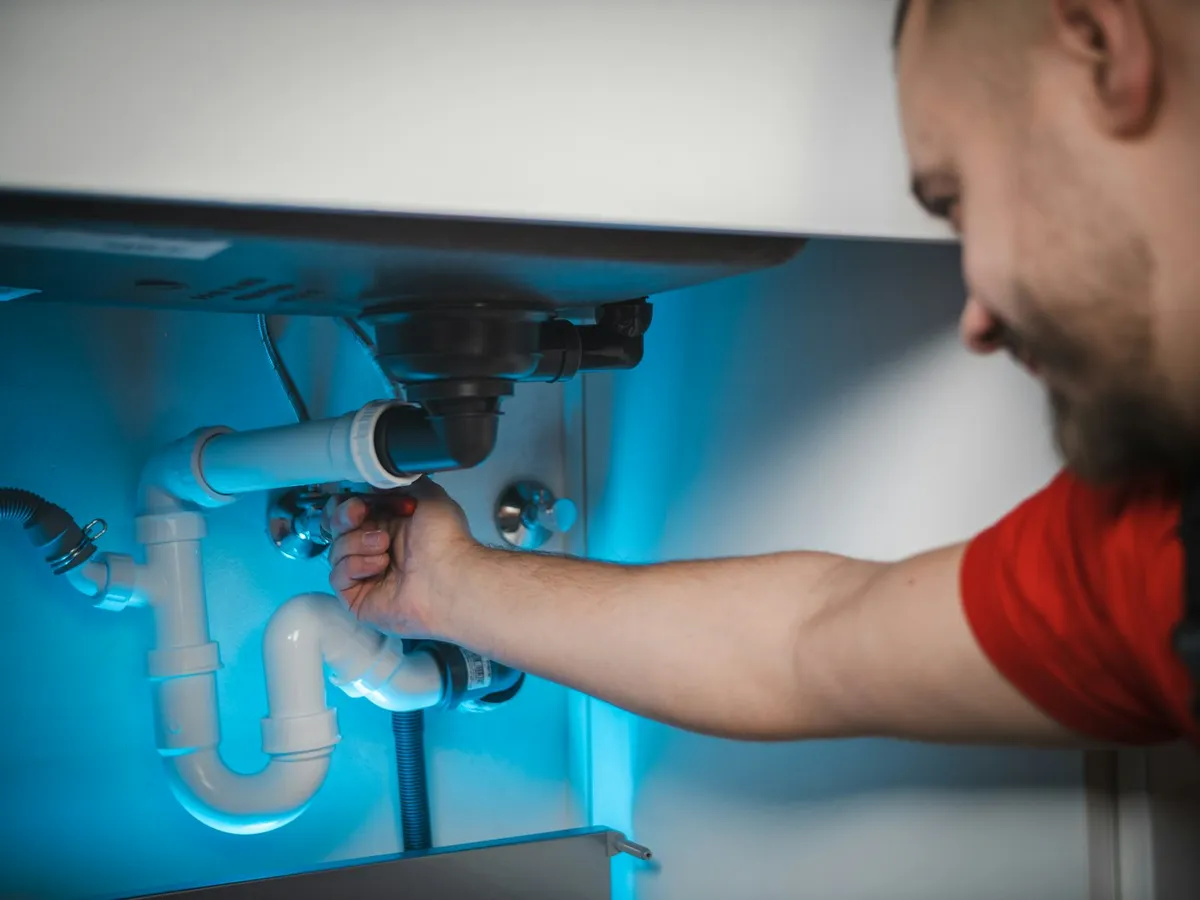
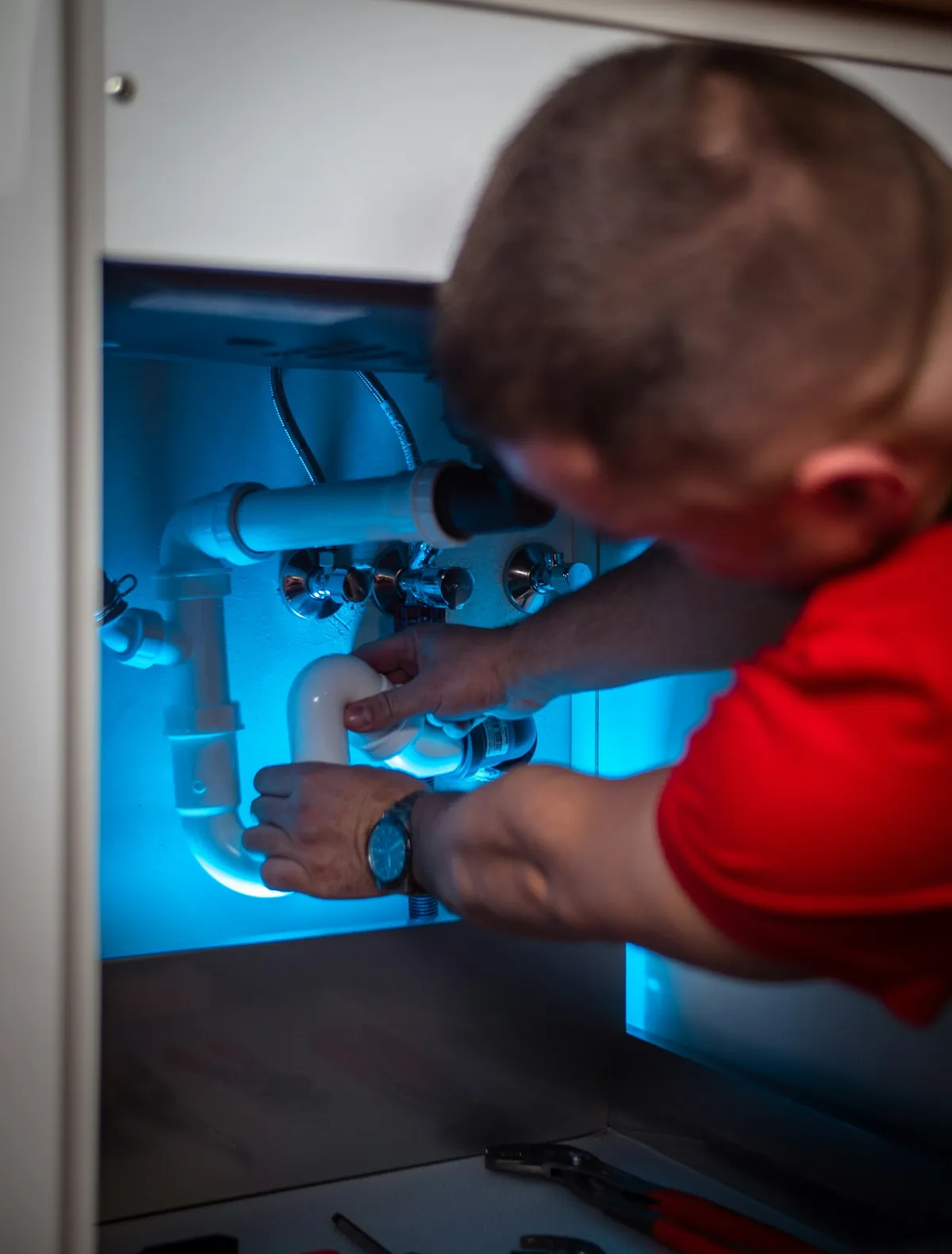
Why trades win on trust, and how trust is built
Letting a stranger into your home is an act of trust. People do not choose a plumber on price alone. They choose the one who feels safe, competent, and unlikely to make a mess or a mistake. Every post is a chance to build that feeling before you ever meet.
Trust compounds with repetition. One tidy finished job says little. Fifty of them, posted steadily over a year, say: this is a careful business that does good work, again and again. That is the impression that survives long enough to be there when someone needs you.
What to post when you fix pipes for a living
These are the angles Native uses for trade businesses, and they work by hand just as well. None of them require you to be a performer:
- The before and after. A corroded old install next to your clean new one. Nothing sells careful work more instantly.
- The finished job. A tidy photo of completed work and one line about what you did. Simple, and quietly convincing.
- The seasonal reminder. Shut off the main valve before a holiday. Lag your outdoor taps before the first frost. Genuinely useful tips that people save and share.
- A real review. A five-star line from a customer, turned into a clean post. Word of mouth, made visible.
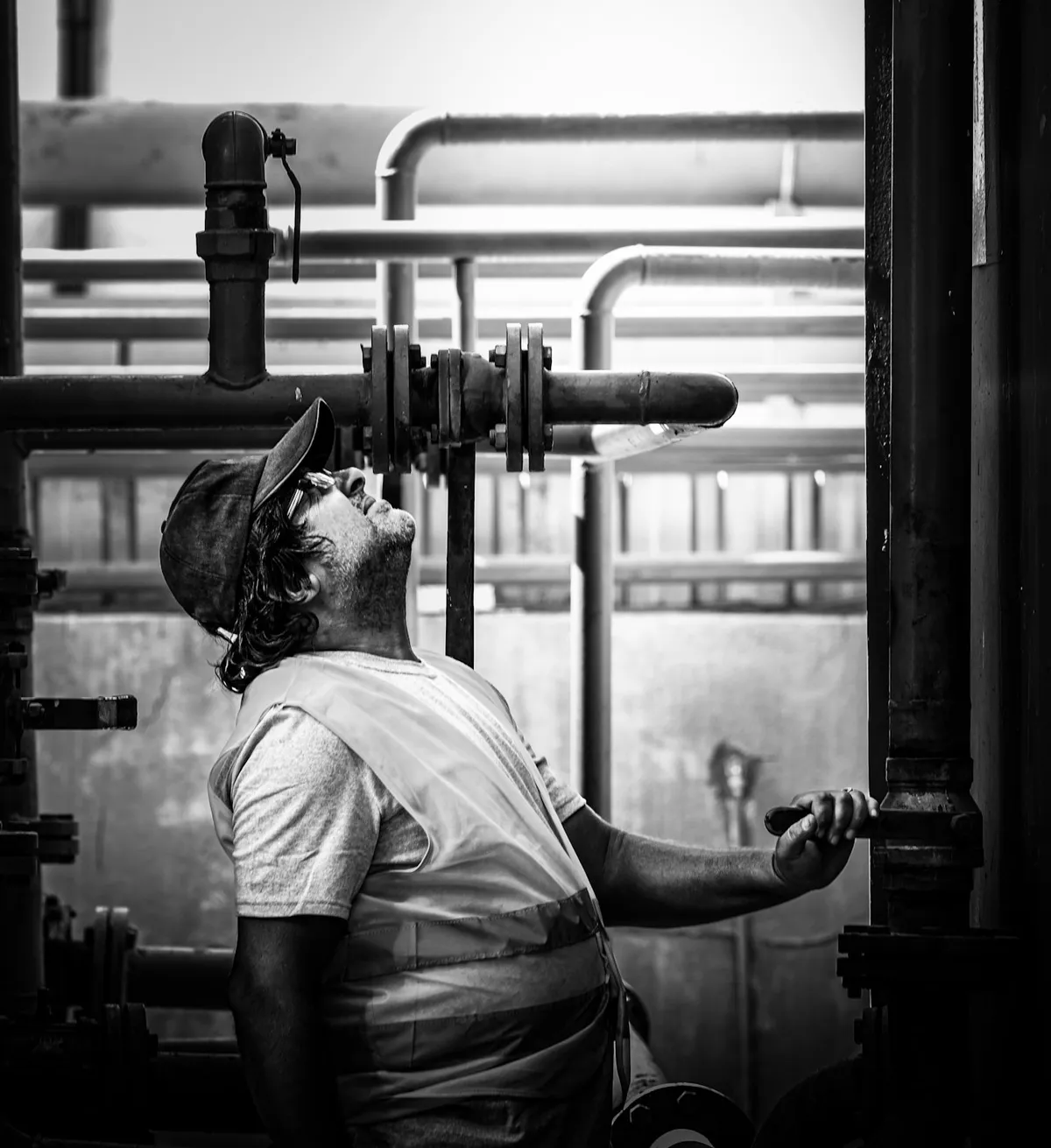
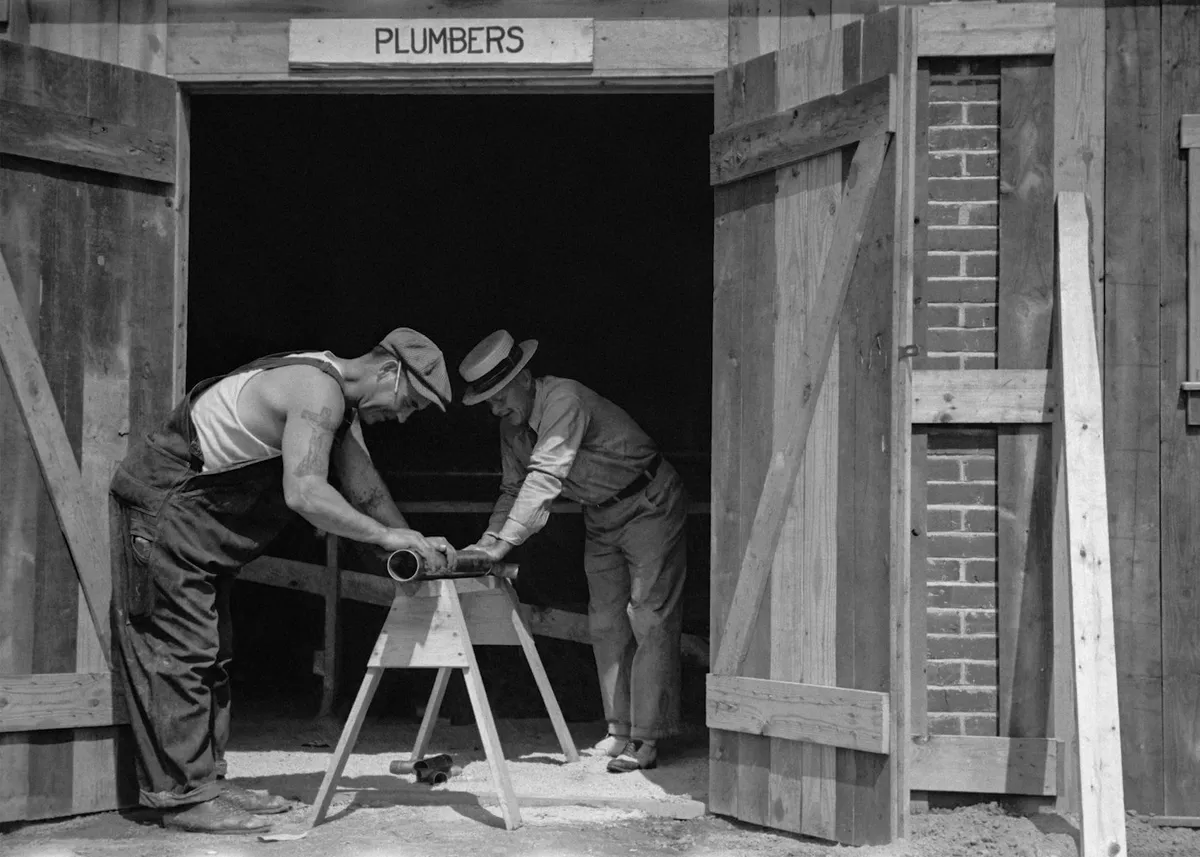
- You, in action. Even a photo of the van at a job or tools laid out neatly signals a professional who takes the work seriously.
- The local angle. Serving a named town or neighbourhood builds the sense that you are the trusted local, not a faceless call centre.
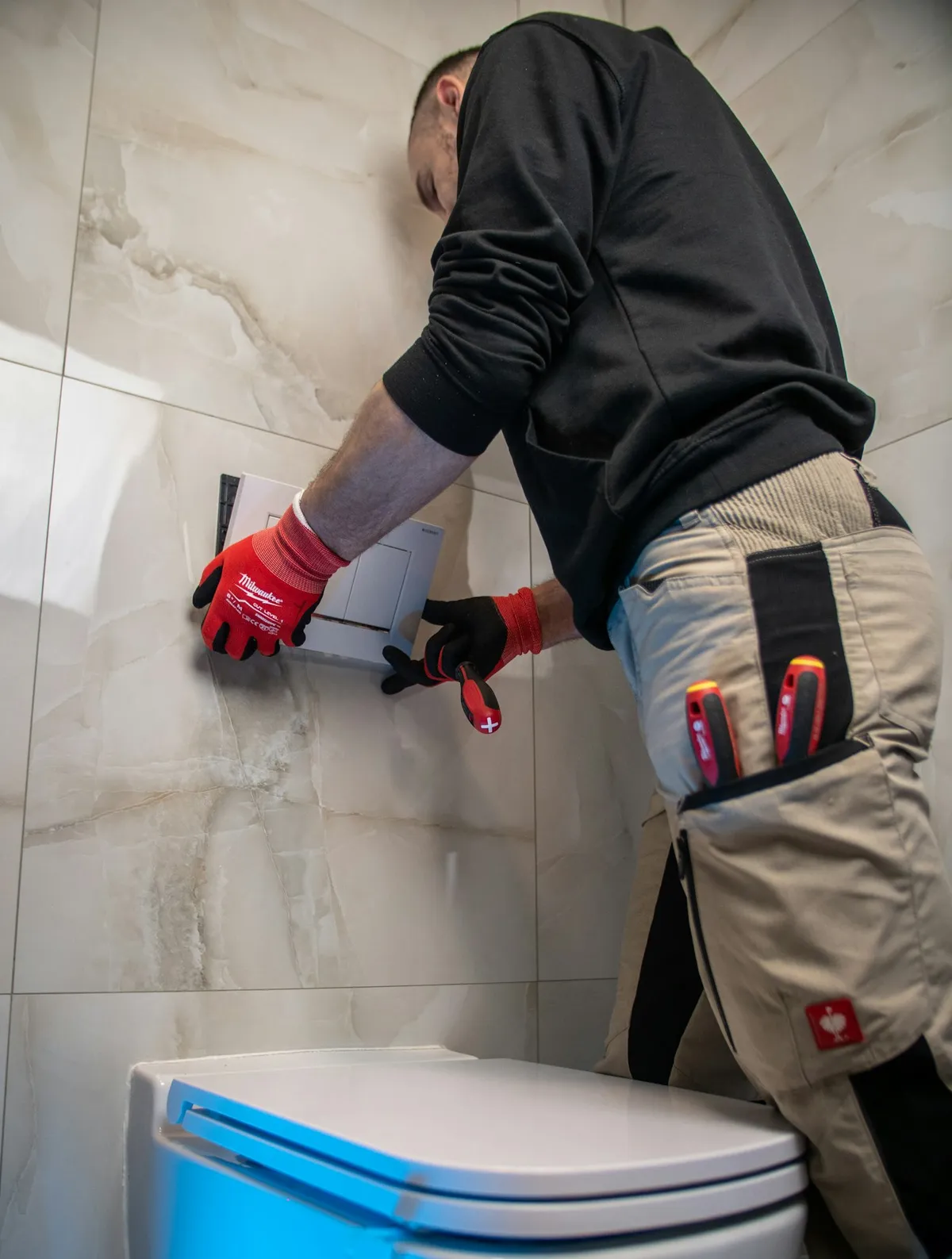
You do not need to be on camera
This is the objection that stops most tradespeople, and it is a misunderstanding. The work is the content. A photo of a clean install, a before and after, a quick seasonal tip written in plain language. None of it needs your face or a script. The message is always the same and it is simple: careful work, done right, by people you can trust in your home.

Finding a rhythm around the work
Two posts a week is plenty for a trade business. A finished job or before-and-after when you have one, and a useful tip or seasonal reminder when you do not. The tips are the trick: they never run out, they need no photo of a specific job, and they are exactly the kind of thing homeowners save for later. That steady presence is what keeps you top of mind between emergencies.
The mistake most plumbers make
Waiting until business is slow to start posting, then giving up when one week of effort does not ring the phone. Trust does not work on that timescale. It is built quietly over months and then pays off all at once, on the Sunday morning when someone stands in a flooded kitchen and your name is the one they already know.
How Native does it for you
Native learns your services and your area, then drafts the posts for you: seasonal reminders, practical tips, and a polished before-and-after whenever you send a photo from a job. Review is the default. When you enable autopilot, Native publishes on a steady schedule while you are elbow-deep in someone's boiler.
The feed keeps working while you do. So when the water heater goes at six on a Sunday, yours is the name that comes to mind, because it never stopped being there.