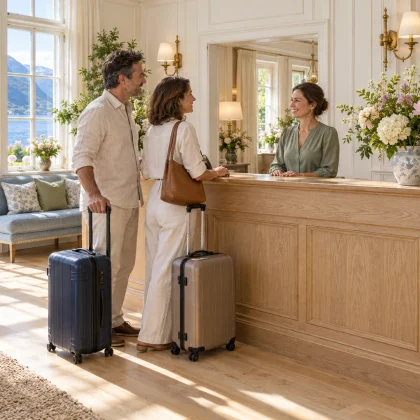
A hotel has a problem no restaurant has: most of your guests meet you for the first time on somebody else's website. They compare you against eleven other properties on price and a star rating, book through a portal, and hand over fifteen to twenty per cent of the room rate on the way. You never see them until they are standing at your desk, and you have no way to reach them again afterwards.
Social media is the one channel that reverses that order. It lets someone fall for the place before they ever see a price grid. By the time they search, they are not comparing you with eleven properties, they are looking for you by name. That guest books direct, pays no middleman, stays longer, and comes back.
The obstacle is never material. A hotel is the most photogenic business there is: weather, light, food, rooms, people arriving happy. The obstacle is that the front desk is busy, the season turns, and the person who was going to post is checking in a coach party. This guide is about making the feed run anyway.
Sell the stay, not the room
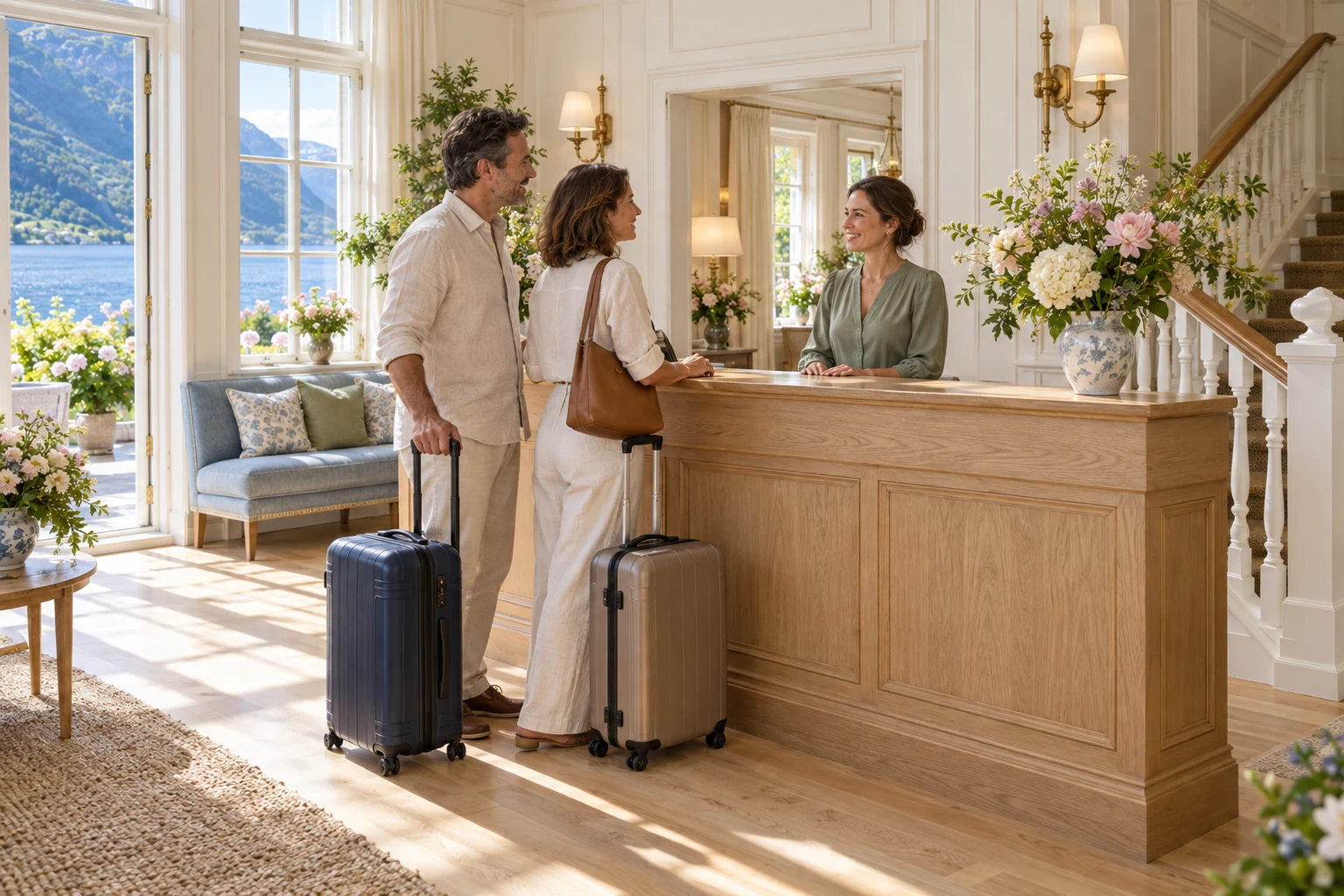
The most common mistake in hotel marketing is posting inventory. A tidy double with the curtains open tells a guest nothing they cannot get from a booking site, and it invites exactly the comparison you want to avoid. Nobody lies awake wanting a room. They want the morning it belongs to.
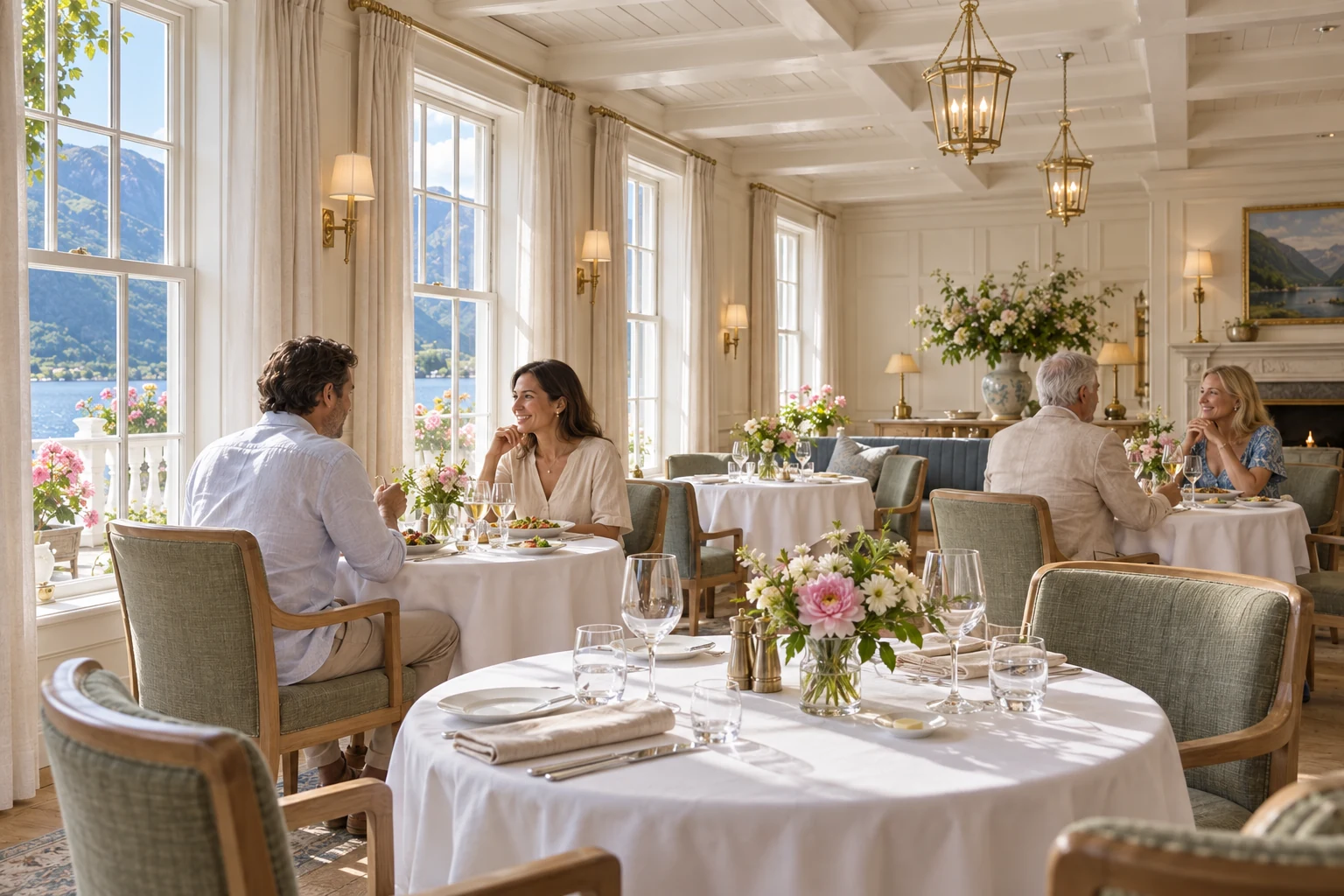
So post the stay instead. The walk before breakfast. The hour when the light comes across the water and the bar is still empty. The dog asleep by the fire. Rooms are a commodity and the portals have already commoditised them; a stay is yours alone, and it is the thing worth paying a direct rate for.
What to actually post
These are the angles Native works from for a property, and they work by hand just as well. Rotate through them rather than waiting for something remarkable to happen:
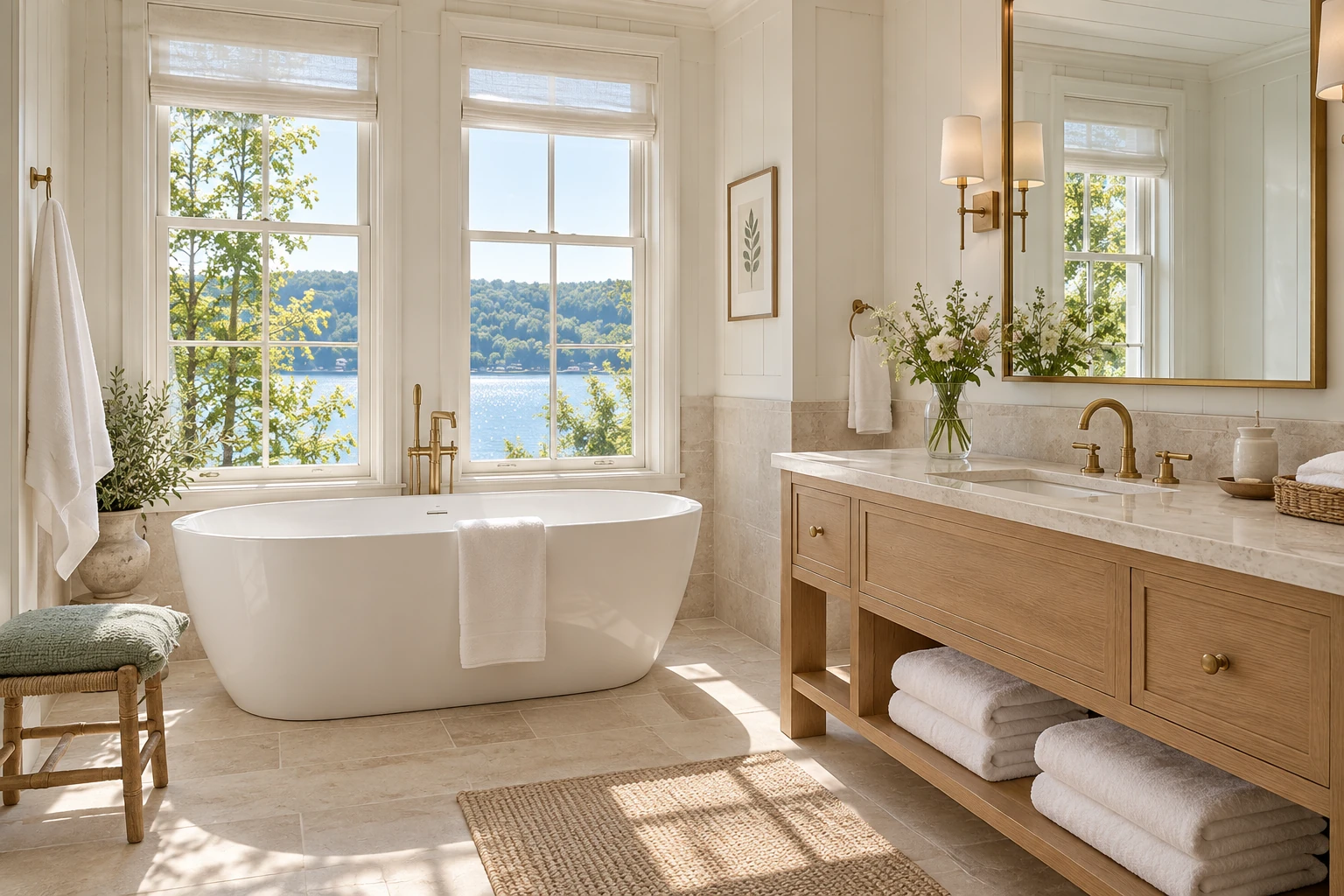
- The room at its best hour. Not the wide shot. The corner the afternoon light finds, the view from the pillow, the bath with the window open.
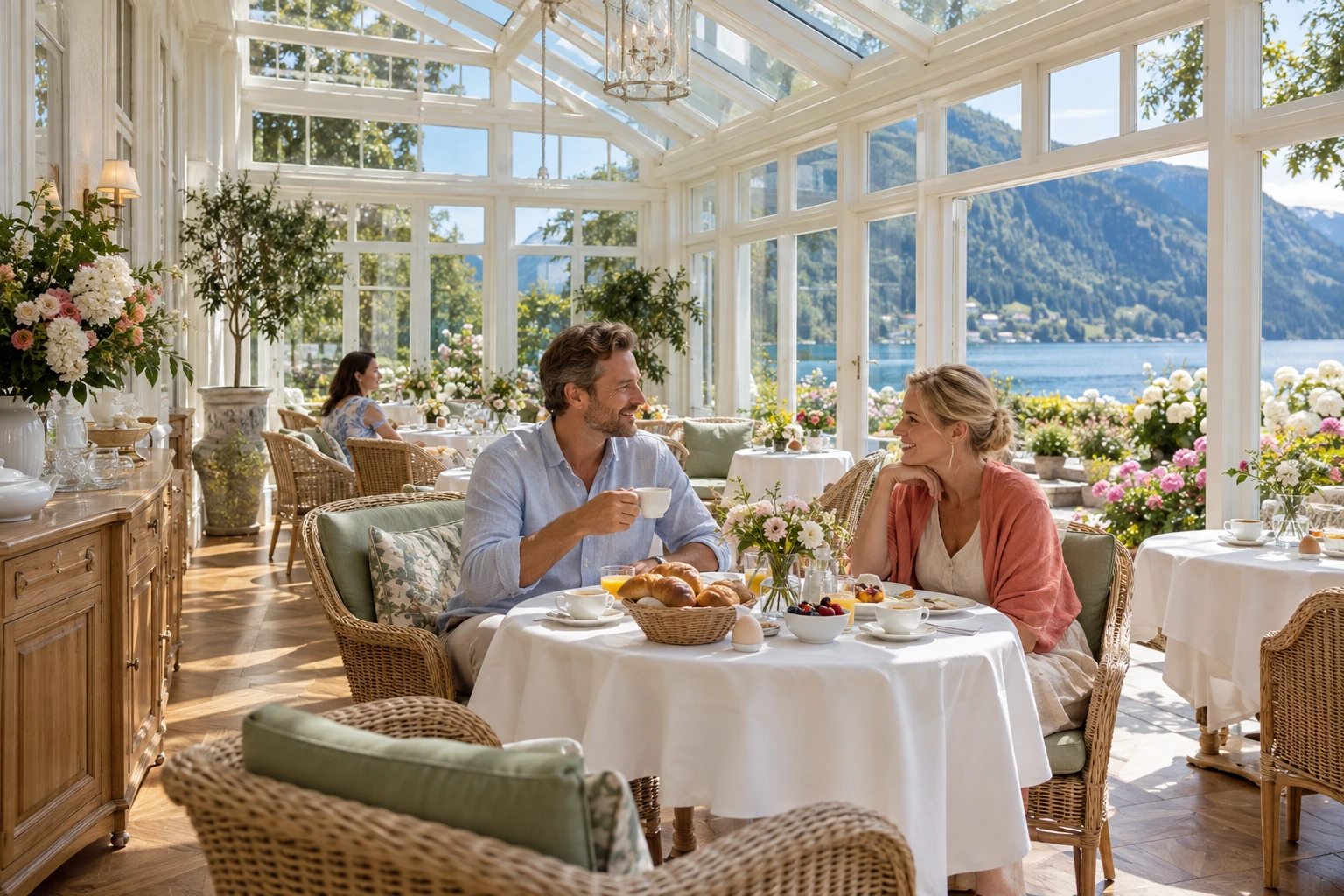
- Breakfast, in detail. It is the part of a stay guests describe to other people, and the easiest thing in the building to photograph well.
- The reason to come off-season. Storm watching, an empty pool, a midweek rate, the quiet that summer guests never get. Low season needs its own argument, not a discount.
- The welcome. A returning guest, a name remembered, a note left on a pillow. Service is invisible until somebody writes it down.
- What is around you. The walk, the harbour, the ski lift, the restaurant two streets over. Guests are choosing a place to be, and you are the local who knows it.
- A real review, made to look good. A line from a guest who meant it, set properly. It does the persuading you cannot do about yourself.

Post to the season ahead, not the one outside
This is the part hotels get wrong that other businesses do not have to think about. A restaurant posts tonight's special tonight. A hotel booking window runs weeks to months, so a post about the snow falling today reaches people who cannot act on it until the snow has gone.
Work a season ahead. Post the summer terrace in April, the Christmas table in October, the quiet weeks while people still have them free. It feels strange the first time and it is the single highest-leverage change most properties can make, because it puts the content in front of the guest while the decision is still open.
A rhythm a front desk can keep
Three posts a week is right for most properties, and the shape matters more than the number. One that sells the stay, one that shows the people or the place around you, one that gives a reason to book a specific date. Shoot in batches when the building is at its best — an empty morning in good light will give you a month of material — and then draw down on it through the busy weeks when nobody has a free hand.
The mistakes that keep good hotels dependent on portals
Going quiet the moment you are full. The feed should work hardest in your strongest month, because that is when you are building the demand for your weakest one. Posting only rates and offers, which trains an audience to wait for a discount and never to want the place. And treating the account as a noticeboard for refurbishment notices and car park changes, which is information your booked guests need by email and nobody else will ever read.
How Native does all of this for you
Native reads your site, learns the property and its voice, and keeps the content moving through exactly the angles above: the room at its hour, the breakfast, the off-season argument, the welcome. It plans ahead of the season rather than behind it, so the posts land while the booking window is still open. Review is the default. When you enable autopilot, Native publishes to the connected channels on the schedule your year actually runs on.
You look after the guests who are here. Native keeps talking to the ones who have not booked yet, through the season when you have no time and the season when you need them most.