
Make a static image ad when one picture can show the offer or proof. Make a short video when the buyer needs to see how something works, moves or changes. If both formats do the job, test them against the same business result on a placement that supports both. Meta’s guide to A/B testing.
Decide what the viewer needs to see
| What your customer needs to know | First format to try | What the creative has to show |
|---|---|---|
| What does this item look like? | Static image | A clear photo, real scale or detail, and the offer |
| Can I see how it works? | Short video | The action or change that is hard to infer from a photo |
| Can I still book this week? | Static image | Service, location and a current next step |
| What happens after I bring it in? | Short video | The process or handoff in the order the customer will experience it |
| What have you done for a job like mine? | Start with the best real evidence | A finished result in an image, or a short demonstration if the process is what matters |
Facebook and Instagram Reels support image ads as well as video ads. If you have a good image and want to use a Reels placement, prepare the image for the placement and preview it there. Meta’s Reels ad guidance · Instagram Reels image specs.
Brief the same offer two ways
An outdoor gear shop invites customers to bring in a jacket for a repair estimate. Both ads lead to the same repair-hours page.
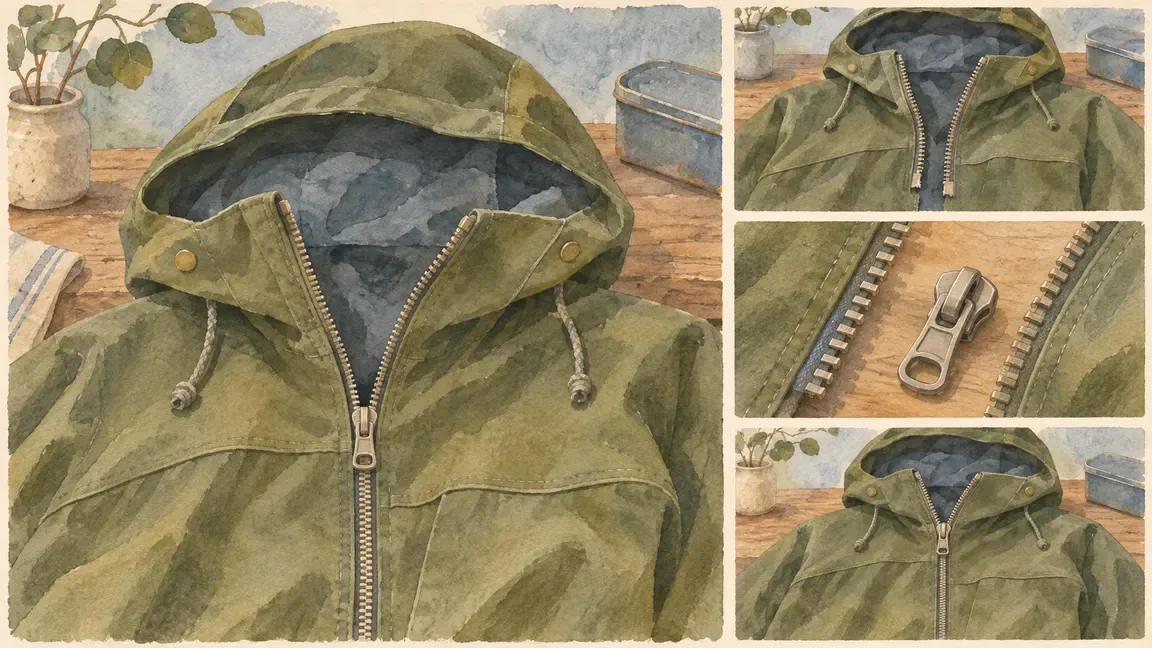
- Still. Show the result. Use a photo of a repair the shop offers, with the new zipper partly closed and its teeth easy to see. Keep the headline legible on a phone.
- Video. Show the change. Open on the broken zipper, show the replacement sliding closed, then end on the jacket on the bench. Add captions and use audio cleared for ads.
Both versions use the same copy. “Jacket zipper stuck or split? Bring it in and we’ll check whether it can be repaired. See the repair desk hours.”
For a product campaign, see how these skincare ad briefs use texture, routine and offer details to choose what to show.
Check the format and placement before launch
For a Reels video, Meta recommends a vertical 9:16 layout and keeping the key content clear of the interface. Its Instagram Reels guide recommends MP4 or MOV and captions. For a still image in Instagram Feed, the Ads Guide recommends a 4:5 aspect ratio. Use the spec for the exact format and placement you choose, then open the preview. Instagram Reels video specs · Instagram Feed image specs · Image sizes by placement.
In the jacket example, check that a person can see the zipper in both versions. In the video, make sure the opening frame identifies the problem before someone swipes away. The last frame should stay on screen long enough to read the next step. Preview both with the actual placement overlays.
Run a test that can answer the format question
- Pick one result. The shop can measure completed repair inquiries that match a service it offers. It can still record views and clicks to see where each version did well.
- Hold the offer and audience steady. Keep the message, destination, event, audience, and dates the same. Use a placement that accepts both formats if you want to isolate format. If you give video extra placements, record that you tested a different distribution setup too.
- Split the test. Use Meta’s A/B test when the budget and expected results can support a useful comparison. Two ads running side by side under ordinary delivery may get different reach and spend. Meta’s explanation of how A/B testing splits delivery.
- Read the results at the agreed time. Record how much each format spent, how many qualifying inquiries it earned and what the shop spent making it. If one format gets more views but few inquiries, use the sales goal to make the decision. If both have few results, wait or simplify the test.
Where Native fits
Native Ads Autopilot can make still-image ads and write the headline and primary text for a connected Facebook and Instagram campaign. Native-designed stills can go out with Feed, Stories and Reels, and square artwork when generation capacity allows. Ads built directly from your own photo or converted from a post use a 4:5 image. For the paid video in this test, use the video you filmed and set it up in Meta Ads Manager. Native’s image ad formats.